Parking suspensions and road closures near Tulse Hill SW2
Posted on 29/07/2026
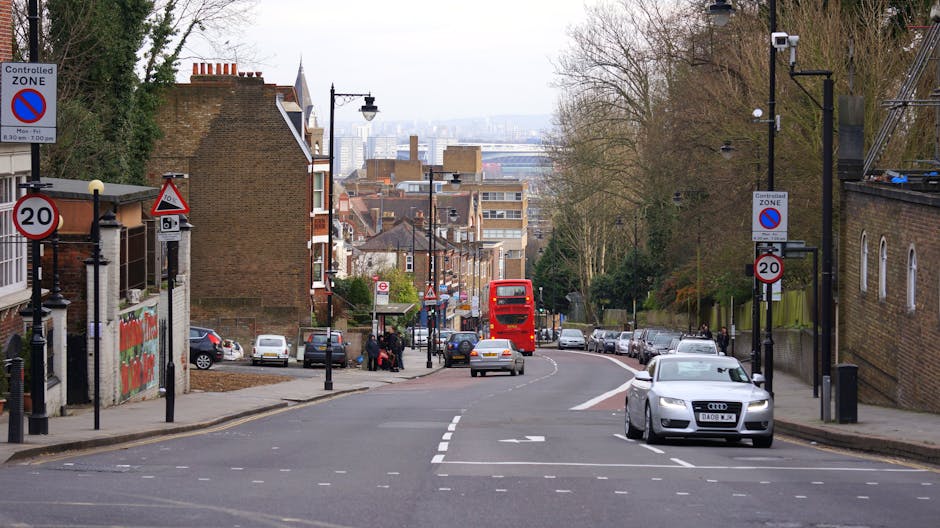
Parking suspensions and road closures near Tulse Hill SW2: a practical guide for moves, loading, and stress-free access
If you are planning a move, a delivery, or even a bulky furniture pickup, parking suspensions and road closures near Tulse Hill SW2 can make a simple day feel oddly complicated. One minute you are thinking about boxes and keys; the next you are staring at cones, temporary signs, and a van that suddenly has nowhere sensible to stop. It happens more often than people expect, especially around busy residential streets, station approaches, and routes affected by local works.
This guide breaks the whole thing down in plain English. You will learn what parking suspensions and road closures actually mean, how they affect loading and unloading, how to plan around them, and how to avoid the classic mistakes that lead to delays, fines, or a very awkward stand-off with the clock. We will also cover local moving scenarios, permit-minded planning, and a few practical shortcuts that genuinely help on the day.
Why Parking suspensions and road closures near Tulse Hill SW2 Matters
For anyone moving in SW2, the biggest challenge is rarely the lift of the sofa or the number of boxes. It is access. A suspended bay outside the property can turn a neat two-trip loading plan into a long carry from the next street. A short road closure can force a van to stop farther away than expected. That extra distance matters, especially when you are dealing with wardrobes, mattresses, white goods, or a tight turnaround between tenancy handover and van hire.
In Tulse Hill, access issues tend to matter even more because many moves depend on careful timing. Streets can get busy quickly, parking space disappears, and a small disruption can create a knock-on effect for neighbours, building managers, and your own schedule. To be fair, it is not just about convenience. Good planning reduces risk. It lowers the chance of blocked access, damage to items, rushed lifting, and those annoying last-minute decisions that everyone regrets later.
There is also the confidence factor. If you know in advance that parking suspensions or road closures are in play, you can choose a safer, cleaner plan. That may mean booking extra time, arranging a second person to help, or using a smaller vehicle for a tighter street. Small changes, big difference.
How Parking suspensions and road closures near Tulse Hill SW2 Works
A parking suspension usually means a specific bay or stretch of parking is temporarily unavailable. It might be because of roadworks, utility repairs, tree work, filming, removals access, or other local activity. A road closure is broader: the road, or part of it, cannot be used normally for through traffic, and sometimes access is restricted even for stopping or loading.
The practical effect is simple. If you were planning to park the removal van right outside the building, you may not be able to. If you were relying on a corner for unloading, you may need a different approach entirely. Signs and temporary barriers are what you should trust on the day, not memory or habit. Streets change, sometimes overnight. Honestly, that is part of the fun of London. Not really fun. You know what I mean.
For residents and movers, the key is to treat these notices as operational information, not just background clutter. The details can change the whole shape of the move:
- where the van can stop
- how far items must be carried
- whether loading can happen at all
- how long the vehicle can remain in one position
- whether access is safer from the front, side, or rear of the property
If you are coordinating a wider move, it helps to think of access as part of the move itself, not an afterthought. That same mindset is useful when you are preparing furniture, packing, or managing a tight flat move. Our guides on packing for a big move and SW2 flat moves, stairs, lifts and size limits fit neatly into that planning stage.
Key Benefits and Practical Advantages
When you plan around parking suspensions and road closures properly, the benefits are not glamorous, but they are very real.
- Faster loading and unloading: Shorter carrying distances save time and energy.
- Lower risk of fines or enforcement issues: Fewer surprises around restricted bays and no-stopping areas.
- Less damage risk: The less you carry over awkward distances, the less chance of bumping frames, doors, and walls.
- Better crew coordination: Everyone knows where to go and what to do, rather than improvising under pressure.
- Improved neighbour relations: A tidy plan reduces frustration for people living nearby. That sounds minor, but it matters.
There is a quieter benefit too: emotional calm. A move already carries enough noise, physically and mentally. If the parking side is handled, the rest of the day feels more manageable. In our experience, people underestimate how much relief comes from simply knowing, "Right, we have a place to stop. We are sorted."
If you are likely to need a helper vehicle or moving support, it is worth reviewing the service overview early, because access planning often affects which type of move is the best fit. For some jobs, a man with a van in Tulse Hill is enough. For tighter access, larger furniture, or more complex timings, a different setup may be more sensible.
Who This Is For and When It Makes Sense
This topic is relevant to far more people than just house movers. If you are doing anything that needs vehicle access near the kerb, it applies.
- People moving into or out of flats in SW2
- Families with bulky furniture or white goods
- Students moving around term dates
- Small businesses relocating stock or office equipment
- Anyone handling same-day collections, deliveries, or clearance work
It especially makes sense if your move involves a time-critical handover. Maybe you have to vacate by midday. Maybe the lift is booked. Maybe you are working around school pickup, a landlord inspection, or a delivery window you cannot change. That is when parking suspensions and road closures stop being background details and become the main event.
Local students often feel this most sharply, which is why it helps to look at student removals in Tulse Hill and the related advice in quick man and van tips for urgent student moves. The same applies to house moves, where access issues and permit questions often sit side by side. If that sounds familiar, the article on Lambeth Council permits for house moves in Tulse Hill is a sensible companion read.
Step-by-Step Guidance
Here is a practical way to deal with parking suspensions and road closures without making the job harder than it already is.
- Check the street early. Look for temporary signs before move day if you can. Do not assume yesterday's parking situation still applies today.
- Map the loading point. Decide where the vehicle would ideally stop, then identify a backup spot if that space is unavailable.
- Measure the carry distance. If the van cannot park close to the property, think about trolleys, extra hands, or smaller loads.
- Separate essential items. Keep keys, documents, tools, and basic cleaning items easy to reach. No one wants to rummage through boxes in the rain at 8:15 a.m.
- Build in slack time. A closure that adds ten minutes can easily become thirty once you factor in walking distance and traffic.
- Tell everyone involved. Removals crews, landlords, neighbours, and helpers should all know the plan.
- Have a fallback. If the first loading point is blocked, know where you can safely stop instead of improvising under pressure.
For larger or awkward items, it also pays to prepare the furniture before the vehicle arrives. That may include dismantling, wrapping, or moving items to the ground floor in advance. A little prep goes a long way, especially if you are trying to work around a bay suspension or temporary no-stopping restriction. If you are moving bulky pieces, the article on moving your bed and mattress and the guide to furniture removals in Tulse Hill can help you plan the physical side properly.
A simple moving-day sequence
One good rhythm is: confirm access, park safely, unload essentials first, then clear the heaviest pieces while the route is still open. It sounds obvious, but in the moment people forget and start with the wrong box. The kettle always seems to matter more once the van has already moved on.
Expert Tips for Better Results
A few habits make a real difference here.
- Use the earliest loading window possible. Temporary restrictions and active works are often less chaotic first thing.
- Keep a second parking option in mind. The best-laid plan can vanish behind a cone. Quite literally.
- Choose the right vehicle size. In some SW2 streets, a smaller van makes access easier than forcing a larger one into a tight gap.
- Wrap items for faster handling. If carry distance increases, you want every lift to be safe and efficient.
- Ask one person to manage doors and route clearance. That stops the rest of the team from zig-zagging around each other.
If you know the route involves stairs, narrow entrances, or a lifted item such as a piano, the access plan matters even more. For example, moving a piano or large cabinet from a road with a suspension is a different game entirely. You will want to review why piano moves should not be DIY and, if necessary, look at piano removals in Tulse Hill.
Another practical tip: do not over-pack the van just because it has finally found a space. If the road is narrow and you have a short loading window, clean, staged loads are better than a chaotic pile. That is especially true for local jobs where timing and access are tight, like parking and unloading near Tulse Hill Station.

Common Mistakes to Avoid
Most problems come from assumptions. People assume the bay will still be free, assume the closure will not matter, or assume loading will be "quick enough". Then the day gets messy.
- Ignoring temporary signs: Even if the street looked fine last week, a suspension can appear suddenly.
- Arriving with no backup plan: If the prime stopping point is taken, you need a second option immediately.
- Underestimating carry distance: A few extra metres can be fine for one box, but not for a sofa and mattress combo.
- Blocking access while deciding what to do: Parking in a poor spot "just for a minute" can cause more trouble than it solves.
- Leaving heavy lifting to the last minute: Rushed lifting and road restrictions are a bad mix.
- Not checking waste or clearance rules: If you are disposing of items too, combine that plan with local disposal guidance.
One mistake worth calling out separately is mixing up parking access with rubbish clearance. They often happen on the same day, but they are not the same job. If you need to clear bulky items as part of the move, read bulky waste collection versus private removal and skip and disposal rules in Lambeth so you do not bundle everything into one improvised solution.
Tools, Resources and Recommendations
You do not need specialist software to handle this well. A simple, disciplined setup is usually enough.
- Phone notes or a printed checklist: Keep the loading plan, key times, and backup parking spots in one place.
- Text updates: Useful for co-ordinating helpers who are arriving separately.
- Tape measure: Handy for checking whether larger items can be carried comfortably from the alternative stop point.
- Protective wraps and straps: These reduce handling time and help on awkward carries.
- Trolley or sack truck: Very useful if the van has to park farther away than planned.
For a smoother overall move, it is also worth combining access planning with packing and sequencing support. The guides on packing and boxes in Tulse Hill, effective decluttering techniques, and move-out cleaning can save you time and reduce the amount you need to carry in the first place.
If you are unsure what type of help you actually need, it is worth comparing options before booking. The wrong size vehicle or service level can make access issues feel worse than they need to. Small thing, but it matters.
Law, Compliance, Standards, or Best Practice
Parking suspensions and road closures are usually about temporary traffic management, and the safest approach is to follow the live signage on the street and any instructions attached to it. You should never rely purely on what you remember from a previous visit. In London, that is a fast way to get caught out.
For movers and residents, the best practice is straightforward:
- read all posted signs before stopping
- do not park in a suspended bay even if it appears empty
- leave enough space for emergency access and neighbours
- plan loading so you are not blocking pedestrian routes or driveways
- if you need permission or a formal arrangement, arrange it before move day rather than hoping it works out
From a safety point of view, it is also wise to treat road closures as a manual handling issue as much as an access issue. If you have to carry heavy items farther than expected, use better lifting technique, take more breaks, and do not try to prove anything. That is where a guide like lifting heavy things alone and the plain-English explanation of kinetic lifting can be surprisingly useful.
Best practice is not about being perfect. It is about avoiding preventable problems. Good planning, clear signs, safe lifting, and respect for local restrictions usually get you most of the way there.
Options, Methods, or Comparison Table
When there is a suspension or closure, you generally have a few ways to handle the move. The right choice depends on access, item size, and how much time you have.
| Approach | Best for | Pros | Trade-offs |
|---|---|---|---|
| Park as close as possible and carry directly | Short moves with clear loading space | Fast, simple, less handling | Not possible if the bay is suspended or the road is closed |
| Use a nearby side street and trolley items over | Moderate access problems | Flexible, often workable in SW2 streets | Longer carry distance, more effort |
| Split the load into smaller trips | Flats, tight entrances, or multiple helpers | Safer for heavy items, better control | Takes longer and needs good coordination |
| Use specialist help for bulky items | Pianos, heavy wardrobes, awkward furniture | Safer handling, less stress, better equipment | Requires planning and may cost more |
In practice, the best result often comes from a hybrid approach: park where you can, carry the essentials first, then handle heavier items once the route is clear. That is especially true for house removals in Tulse Hill and flat removals in Tulse Hill, where access can change from one property to the next.
Case Study or Real-World Example
Picture a typical move near Tulse Hill SW2 on a busy weekday morning. The tenants planned to load from outside the property, but a temporary parking suspension had appeared on the street the previous evening. Nothing dramatic, just a row of signs and a section of kerb that could no longer be used.
Instead of forcing the issue, they shifted the plan. The van parked one street away in a legal spot. One person stayed with the vehicle, another moved lighter boxes to the loading point, and the heavy pieces were left for last once the route was clear. A mattress, two suitcases, and several boxes moved first. The wardrobe parts went next. The result? The move was not especially glamorous, but it stayed calm, no one got flustered, and the property exit was left tidy.
What made it work was not luck. It was a small amount of advance thinking. The team had already packed properly, separated the essentials, and understood that the access problem was just part of the job. They also kept the day realistic. No dramatic heroics, no "we'll just wing it". Which, to be honest, is often where moves go sideways.
If the same scenario had involved a tighter deadline or a more awkward item, they could have looked at same-day removals in Tulse Hill and scheduled support around the restriction rather than fighting it. That is usually the smarter route.
Practical Checklist
Use this quick checklist before move day.
- Check the street for parking suspension signs and road closure notices
- Confirm the best legal loading point and one backup location
- Measure the walking distance from the van to the property
- Keep moving essentials easy to reach
- Prepare protective materials for furniture and fragile items
- Tell helpers about the route and timing
- Allow extra time for loading, especially if carrying from farther away
- Avoid blocking driveways, crossings, or pedestrian access
- Use proper lifting technique for heavier items
- Double-check any permit or access arrangement you may need
For the physical side of the job, you may also find it helpful to review bed and mattress moving strategies, sofa storage and preservation tips, and freezer storage guidance if items need to be held temporarily while access issues are sorted. Small win: fewer last-minute surprises.
Get a free quote today and see how much you can save.
Conclusion
Parking suspensions and road closures near Tulse Hill SW2 are not just a nuisance detail. They shape the whole move. If you spot them early, plan around them properly, and keep your route and loading point flexible, the day becomes much easier to manage. You may still have a few heavy lifts and a bit of waiting around, but that is a far better position than discovering a blocked street when the van is already outside.
The simplest advice is usually the best: check the signs, leave yourself options, protect your items, and do not force access where it does not exist. The calmest moves are rarely the ones with no problems; they are the ones where the problems were expected.
And once the last box is inside and the van door finally shuts, the whole thing tends to feel smaller than it did at the start. Bit of relief. Bit of tea. Job done.