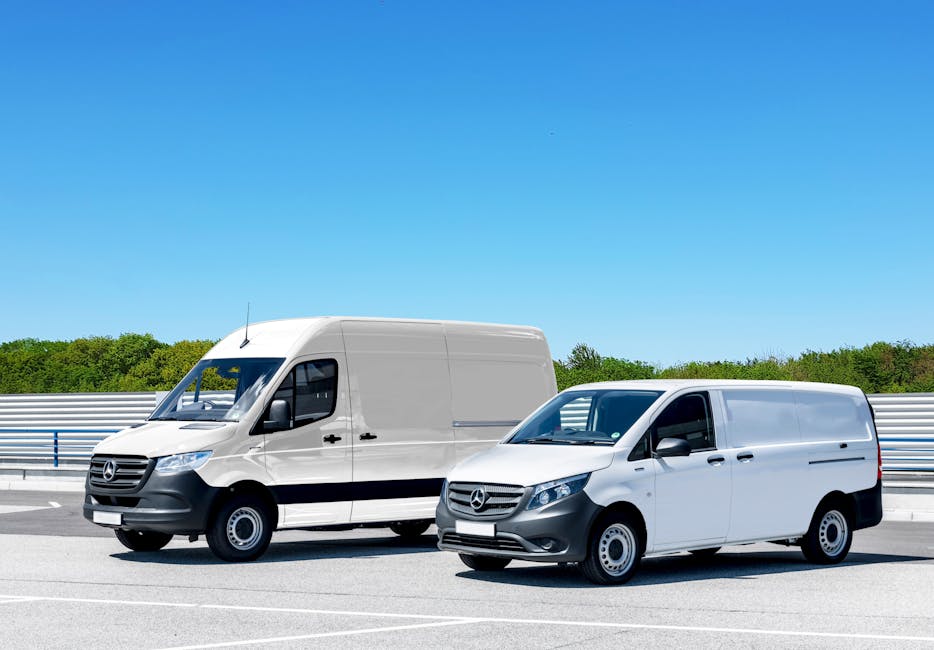
Van size comparison for Tulse Hill moves: Transit vs Luton
If you are planning a move in Tulse Hill, the van you choose can make the whole day feel calm and organised, or slightly chaotic from the first box onward. That is especially true when you are comparing a Transit against a Luton. The difference sounds small on paper, but in real life it changes how many trips you need, whether a sofa fits upright, how easy loading feels on a tight street, and whether the move finishes before the evening traffic starts to bite.
In this guide to Van size comparison for Tulse Hill moves: Transit vs Luton, we will break down the practical differences in plain English. You will see where each van works best, what to consider in local streets and flats, and how to avoid the classic mistake of booking too small. To be fair, that mistake happens more often than people like to admit.
Table of Contents
- Why van size matters for Tulse Hill moves
- How Transit and Luton vans differ in practice
- Key benefits and practical advantages
- Who this is for and when it makes sense
- Step-by-step guidance
- Expert tips for better results
- Common mistakes to avoid
- Tools, resources and recommendations
- Law, compliance, standards and best practice
- Comparison table and decision guide
- Case study and real-world example
- Practical checklist
- Conclusion
- Frequently asked questions
Why Van size comparison for Tulse Hill moves: Transit vs Luton Matters
Tulse Hill moves are rarely just about distance. They are about access, timing, stairs, parking, and the shape of the property itself. A van that works beautifully for a straight forward house move on a broad road can become awkward when you are dealing with narrow side streets, a shared entrance, or a third-floor flat with a turn on the landing. That is where the Transit vs Luton question really matters.
A Transit van is often the more flexible option for smaller household moves, partial loads, student moves, and jobs where manoeuvrability matters more than volume. A Luton van, with its boxier load space and often taller internal height, is typically better when you need more cubic capacity, want to stack items carefully, or are moving bigger furniture and more boxes in one go.
Let's face it: no one wants to spend a Saturday shuttling back and forth because the van was a bit too small. Nor do you want to book a larger vehicle than you need and then discover it is awkward to park near the property. In Tulse Hill, where access can be tight and loading bays are not always generous, the right size makes a real difference to the rhythm of the day.
There is also a money angle. Bigger is not always better, but too small is rarely cheap in the end. More trips can mean more labour time, more fuel, more stress, and a longer unload while everyone is getting tired. That is why a proper van size comparison is not just a technical detail; it is part of a good move plan.
How Van size comparison for Tulse Hill moves: Transit vs Luton Works
The simplest way to think about it is this: a Transit gives you a versatile mid-size load space, while a Luton gives you a more cubic, box-like area that is designed to hold more volume efficiently. The exact dimensions vary by model and conversion, so you should always treat any van description as a guide rather than a promise. Still, the practical difference is consistent enough to plan around.
What a Transit usually suits
A Transit-style van is generally a strong fit for:
- one-bedroom flats or smaller homes
- a few large items plus boxes
- student or shared accommodation moves
- local Tulse Hill moves where parking access is tight
- jobs where you need easier turning and simpler street positioning
Because the load area is usually more compact than a Luton, it can be easier to position outside a property with narrow frontage or limited kerb space. That is a practical benefit people often overlook until they arrive and realise the road is busier than expected. You know the feeling. The van is there, but the space around it is not exactly generous.
What a Luton usually suits
A Luton van is often the better choice for:
- larger flat or house moves
- bulky furniture such as wardrobes, sofas, and bed frames
- more boxes and stacked items
- moves where you want to reduce the number of journeys
- situations where height and volume matter more than nimble handling
The upright, box-shaped load space means you can make better use of the available volume. In plain terms, it often swallows awkward items more neatly. If you have ever tried to fit a tall cabinet into a van that is just a touch too low, you will appreciate why the Luton keeps coming up in mover conversations.
Why load shape matters as much as size
People focus on length, but shape matters just as much. A Transit may have enough floor length for your things, yet the roofline or wheel arches can make loading awkward. A Luton's square profile can feel like moving day suddenly got a bit more organised. Boxes stack better, furniture can be positioned more cleanly, and the space is easier to plan.
That said, if you are moving only a few pieces, a larger van can create its own issues. Empty space can cause items to shift unless they are secured properly. A bigger van is not automatically safer unless the load is packed with care.
Key Benefits and Practical Advantages
Choosing between a Transit and a Luton is really about balancing volume, access, and speed. The best choice is not always the biggest vehicle. It is the van that gets the job done with the least friction.
| Factor | Transit | Luton |
|---|---|---|
| Best for | Smaller to medium moves | Medium to larger moves |
| Manoeuvrability | Usually easier in tight streets | Less agile, but manageable with planning |
| Load volume | Good, but more limited | Better for bulk and stacked items |
| Furniture fit | Strong for mixed loads | Better for tall and bulky furniture |
| Trip reduction | May require more than one run | Often reduces multiple trips |
| Local parking stress | Lower in tight areas | Higher, especially on narrow roads |
Key takeaway: if your move is mostly boxes and a few key items, a Transit can be the smarter, easier choice. If you have several large furniture pieces or want to avoid repeat journeys, a Luton often wins on efficiency. Simple as that, really.
Practical advantages of a Transit
- Often easier to park near a busy residential road
- Better for quick local pick-ups and drops
- Can be less intimidating for newer drivers, depending on the model
- Useful when access is the main constraint
Practical advantages of a Luton
- More usable cubic space for boxes and furniture
- Better for moving tall items upright where possible
- Can reduce the need for a second load
- Good option for clearer loading plans and more structured packing
One overlooked benefit of a Luton is mental. When the van is clearly large enough, the move can feel less rushed. You load once, secure the items properly, and move on. That calm pace matters more than people expect, especially when the day is already full of keys, inventory checks, and the usual moving-day noise.
Who This Is For and When It Makes Sense
This comparison is useful if you are trying to match the van to the reality of your move rather than guessing from photos. And that is a good thing, because most home moves are not neat little boxes on a spreadsheet. They are odd-shaped, a bit rushed, and usually involve at least one item that is larger than you remembered.
A Transit may suit you if you are:
- moving from or within a studio or one-bedroom flat
- relocating a few streets away in Tulse Hill
- moving mainly boxes, bags, and modest furniture
- dealing with narrow access or a difficult parking layout
- trying to keep the operation simple and quick
A Luton may suit you if you are:
- moving a larger flat or small house
- carrying beds, wardrobes, dining tables, or bulky items
- wanting one larger load rather than several smaller runs
- moving with family, housemates, or a fuller inventory
- planning around a fixed time window and need efficiency
In our experience, the decision is often clearer once you list the biggest three items first. If those items dominate the job, the van size question answers itself pretty quickly. If the list is mostly medium boxes and a handful of furniture pieces, the Transit usually starts looking sensible. If the load feels like a small flat has been packed into every available corner, a Luton is usually the safer bet.
Step-by-Step Guidance
If you want to choose properly, do not start with the van. Start with the load. That sounds obvious, but many moving plans go wrong because the vehicle is chosen before the inventory is understood.
- List every large item first. Beds, sofas, wardrobes, desks, fridges, and anything awkward should be noted before you count boxes.
- Estimate the number of boxes and bags. Be honest here. People often underestimate by a fair bit.
- Check access at both addresses. Look at stairs, lifts, doorway widths, parking restrictions, and where the van can actually stop.
- Think about loading order. If the heaviest items need to go in first, the van may need enough height and length to make that easy.
- Match the load to the van shape. A square load may fit better in a Luton; a lighter, more mixed load may work better in a Transit.
- Allow for awkward items. Lamps, mirrors, plants, and odd-shaped furniture all take up more room than expected.
- Decide whether one trip is realistic. If not, factor in extra time and effort.
A small practical tip: sketch the van load on paper or on your phone. Not a masterpiece, obviously. Just a rough plan of what goes in first, what sits flat, and what can be stacked. That tiny bit of planning saves a surprising amount of lifting and head-scratching on the day.
A simple rule of thumb
If you are hesitating between a Transit and a Luton, ask yourself this: Would I rather have a slightly easier vehicle to place on the street, or more room to avoid a second journey? That question usually points you in the right direction.
Expert Tips for Better Results
There are a few things experienced movers look at that first-time movers often miss. None of them are glamorous, but they matter.
- Measure the biggest item before booking. Do not assume a wardrobe or mattress will "probably fit".
- Think about the landing, not just the room. A sofa can be fine inside the property and still awkward on the stairs.
- Use the van height wisely. In a Luton, stack lighter boxed items where safe, and keep fragile items protected and secure.
- Leave room for straps and blankets. Real moving space is never the same as brochure space.
- Plan around the street layout. In Tulse Hill, a van that is easy to turn can sometimes save more time than a bigger load space would.
Another tip that sounds almost too simple: load the van in the order you will need items at the destination, not just by size. If you know the kettle, bedding, and basic kitchen box should come off first, keep them accessible. You do not want to unpack an entire mountain just to find a box marked "first night essentials".
If you are moving on a warm afternoon or into the evening, the pace changes too. By late day, everyone gets a little slower, and lifting feels heavier than it did at 10am. Choosing the right van size helps keep the job from dragging into that tired zone.
Common Mistakes to Avoid
People usually do not pick the wrong van because they are careless. They pick the wrong van because they are optimistic. Fair enough, optimism is nice. It is just not always practical on moving day.
- Underestimating volume. Boxes always take up more room than expected, especially if they are not perfectly uniform.
- Ignoring access issues. A big van can be the right size for the load and still be awkward for the street.
- Forgetting tall furniture. Some items do not behave well in a shorter load area.
- Booking based on one large item only. The rest of the move still needs room.
- Assuming "more space" always means "better". It does not, if you cannot park or unload efficiently.
- Not accounting for people and walking room. You need enough usable space to load safely, not just enough empty air in the back.
A slightly awkward but common scenario is the half-full van that still feels too small because the shape is wrong. There is plenty of space, yet nothing quite sits where you want it. That is often what happens when the load and van are badly matched. It is a bit maddening, honestly.
Tools, Resources and Recommendations
You do not need specialist software to choose a van, but a few basic tools help a lot. Keep it simple and use what you already have.
- Tape measure: for furniture dimensions, door widths, and stair turns
- Phone camera: useful for checking awkward items and access points
- Notebook or moving checklist: better than trying to remember everything
- Labels and marker pens: for room-by-room packing
- Blankets and straps: important for keeping items secure in transit
For planning and budgeting, it can also help to look at a few related pages before you decide. If you are comparing the overall service approach, the site's removal services page gives useful context. If you want to understand what affects pricing and what a fair quote should include, the guide to pricing and quotes is worth a read. And if you are looking at a more compact local move with single-item transport or smaller loads, the man and van option may also be relevant.
For Tulse Hill-specific planning, local parking and access deserve special attention. If your move involves a tricky street near the station or a tight residential road, the related guides on parking and unloading can save you from a last-minute headache. It is the kind of detail people forget until they are stood at the kerb, squinting at a space that is just not quite right.
Law, Compliance, Standards and Best Practice
For a domestic move, there is not a dramatic legal framework unique to Transit versus Luton vans. The important point is safe, lawful, and considerate operation. That means sensible loading, proper securing of items, respect for parking restrictions, and attention to access rules at both ends of the move.
Best practice usually includes:
- loading items securely so they do not shift during travel
- avoiding obstruction of pavements, driveways, or emergency access
- checking any local parking or loading restrictions in advance
- making sure heavy items are lifted safely and with enough help
- using insured and maintained vehicles where possible
For peace of mind, it is also wise to understand a mover's insurance and safety approach before booking. You can review the site's insurance and safety information and the health and safety policy for a clearer picture of how risk is handled. If you are the one arranging the move, this is not overcautious at all; it is sensible. A short read now can prevent a long day later.
Where public roads, kerb space, or timing restrictions are involved, common local-sense rules apply. Do not block access, do not assume the van can sit anywhere, and do not leave loading decisions until the truck is already parked. That sounds obvious, but on moving day obvious things have a habit of disappearing.
Options, Methods, or Comparison Table
Here is a more decision-focused comparison to make the Transit vs Luton choice easier.
| Situation | Better fit | Why |
|---|---|---|
| Small flat with limited parking | Transit | Easier to position and usually more manageable on tight streets |
| Several bulky furniture items | Luton | More cubic space and better stacking potential |
| One-bedroom move with boxes and a bed | Transit or small Luton | Depends on furniture size and access |
| Two-bedroom move with larger items | Luton | Often reduces the need for multiple trips |
| Student move with light belongings | Transit | Usually more economical and sufficient |
| Move involving tall wardrobes or mattresses | Luton | Upright space and square load shape help a lot |
| Street with awkward turning space | Transit | Less cumbersome in confined access |
If you want a very short answer, here it is: choose a Transit when access is the bigger challenge; choose a Luton when load volume is the bigger challenge. That is not a perfect rule for every move, but it is a strong starting point.
Case Study or Real-World Example
Picture a typical Tulse Hill move: a first-floor flat, a sofa, a double bed, two bookcases, a dining table, and around twenty to thirty boxes. The flat is on a road where parking is possible, but not generous. There is a bit of pedestrian footfall, a bit of morning traffic, and not much room to linger.
In that situation, a Transit might work if the furniture is modest and the team is prepared for careful loading. But if the bed frame is bulky, the table is awkward, and the boxes are numerous rather than neatly packed, the Luton starts to make more sense. The extra height lets the load be stacked more efficiently, which means fewer trips and less chance of running out of room halfway through.
Now flip the scenario. Suppose the move is from a studio near the station with mostly bags, a desk, a couple of shelves, and a few fragile boxes. A Transit could be ideal. It is easier to place, easier to park, and often simpler to get in and out of tight spaces. In that kind of move, a Luton can feel like using a ladder to reach a letterbox. It works, yes, but it is not the neatest solution.
The lesson is straightforward: the right van is the one that suits the shape of your move, not just the size of your belongings.
Practical Checklist
Use this before you book. It is short, practical, and worth doing properly.
- Measure the largest furniture items
- Count boxes and bags honestly
- Check stairs, lifts, and doorway widths
- Look at parking near both properties
- Decide whether one trip is realistic
- Think about whether height or manoeuvrability matters more
- Set aside blankets, straps, and packing materials
- Label fragile and first-night items clearly
- Confirm the moving time window
- Choose Transit or Luton based on the actual load, not guesswork
Quick reminder: if you are still torn between the two, choose based on the biggest item and the hardest access point. That usually gives the clearest answer.
Conclusion
Choosing between a Transit and a Luton for a Tulse Hill move is really about matching the vehicle to the job in front of you. The Transit is often the better fit when access is tight, the load is lighter, and you want a van that is easier to position on local roads. The Luton shines when volume, height, and fewer trips matter more. Both are useful. The trick is knowing which one fits your day, not just your wish list.
If you want the move to feel smoother from the first box to the last, plan the load honestly, check the access properly, and choose the van size with the whole route in mind. That little bit of care makes a surprisingly big difference. And yes, it can save a lot of heavy lifting too.
Get a free quote today and see how much you can save.
Frequently Asked Questions
Is a Transit big enough for a Tulse Hill flat move?
Sometimes, yes. A Transit can be enough for a smaller flat move, especially if you are dealing with boxes, a bed, and a few pieces of furniture. If the furniture is bulky or the load is heavy on volume, a Luton may be safer.
When should I choose a Luton instead of a Transit?
Choose a Luton when you have more furniture, more boxes, or taller items that benefit from a square, high load space. It is often the better option if you want to reduce the number of trips.
Which van is easier to park in Tulse Hill?
A Transit is usually easier to place in tighter spaces and on narrower streets. That can matter a lot in residential roads where parking is limited or the turning space is awkward.
Will a Luton always cost more than a Transit?
Not always, but it can affect the overall quote depending on the job size, duration, and vehicle requirement. The bigger picture matters more than the van alone, so compare the full move rather than the vehicle in isolation.
Can I fit a sofa and a bed in a Transit?
Often yes, depending on the dimensions of the items and how much else you need to move. If the sofa is large or the bed frame is awkward, you may find a Luton gives you more breathing room.
What if I have stairs at both properties?
Stairs make the loading plan more important. A van with enough volume to reduce extra trips can help, but the move also depends on how the furniture can be carried safely through the building.
Is it worth booking a larger van just in case?
Sometimes, but not automatically. A larger van can be helpful if you have mixed furniture and boxes, but if access is tight it may create avoidable parking and unloading problems. Balance is the key.
How do I estimate the right van size without overthinking it?
Start with your biggest items, then count the boxes. If the large furniture alone seems like a tight fit in a Transit, move up to a Luton. If the load is modest and access is awkward, stay with the more manageable van.
Do I need to measure furniture before booking?
Yes, especially for wardrobes, sofas, mattresses, and dining tables. A few quick measurements can prevent a surprisingly annoying day, and they only take a minute or two.
Is there a best choice for same-day moves in Tulse Hill?
For same-day moves, the best van is usually the one that allows the load to be completed quickly without multiple trips. If the move is small, a Transit can be ideal. If the load is bigger, a Luton may keep the day on track.
What if I am moving only a few large items?
If the items are bulky but few in number, a Transit may still work, but only if the dimensions line up comfortably. If the items are awkward or tall, a Luton can save a lot of handling hassle.
Should I worry about insurance and safety when choosing a van?
Yes, because the van choice is only one part of a safe move. You should also consider how items will be loaded, secured, and transported. It is sensible to review a mover's insurance and safety approach before you confirm anything.