SW2 flat moves: stairs, lifts and size limits explained
Posted on 06/05/2026
Moving in SW2 can feel simple on paper and a bit more complicated once you are staring at a narrow staircase, a small lift, and a sofa that suddenly looks too wide for the hallway. That is exactly why SW2 flat moves: stairs, lifts and size limits explained matters. If you are moving into or out of a flat in Streatham, Brixton Hill, or the surrounding SW2 streets, access planning is often the difference between a calm move and a stressful one.
In practice, most flat moves are not difficult because of distance. They are difficult because of space. Can the mattress turn on the landing? Will the fridge fit in the lift? Is the stairwell too tight for a wardrobe? These are the questions that save time, money, and a fair bit of frustration. In this guide, you will get a clear, down-to-earth explanation of how flat moves work, what size limits usually matter, and how to plan around stairs and lifts without guesswork.

Why SW2 flat moves: stairs, lifts and size limits explained matters
Flat moves in SW2 are usually all about access. Houses give you more freedom with front doors and corridors, but flats add shared spaces, awkward angles, lift restrictions, and neighbours to think about. That combination means you need a plan before the van arrives, not after.
Size limits matter for a simple reason: the object only has to get stuck once for the whole day to wobble. A chest of drawers that looked manageable in the living room can become a problem at the first landing. A sofa that seems fine in the lift may still need to be tilted, wrapped, and moved by two or three people carefully. The old "we'll see on the day" approach sounds relaxed, but truth be told, it is where a lot of delays begin.
For SW2 residents, there is also a local layer to consider. Many flats around South London have older stairwells, smaller communal lifts, limited parking, or tight loading areas. If you are also juggling council-controlled streets or time-restricted access, the pressure rises quickly. A little prep goes a long way, and if you want a broader overview of move planning, this house move guide is a helpful companion read.
There is another reason this topic matters: safety. Moving bulky items down stairs is not just awkward, it can be risky for people, walls, doors, and the item itself. That is why many households choose experienced help through flat removals in Tulse Hill or a flexible man and van service in Tulse Hill when access is tight.
How SW2 flat moves: stairs, lifts and size limits explained works
Think of a flat move as a sequence of access checks. First, you confirm how items will leave the property. Then you work out how they will enter the van. Finally, you check the route at the other end. Easy in theory. A bit fiddly in reality.
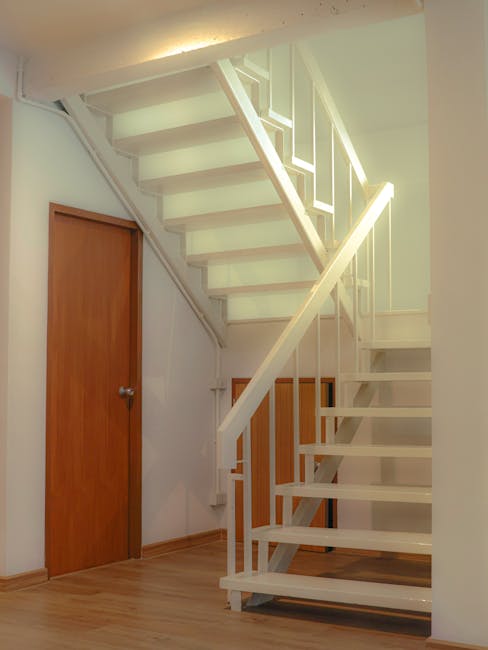
For stair access, movers usually look at four things: stair width, landing size, turn radius, and ceiling height. It is not always the staircase itself that causes trouble; often it is the landing corner or banister that forces a piece to tilt in a way you did not expect. A mattress is a classic example. It may appear flexible, but once you add wrapping and a narrow turn, it gets less cooperative.
For lifts, the main question is whether the item fits upright, flat, or only at an angle. Lift doors, internal depth, ceiling height, and weight limits all matter. Even a standard-sized lift can be awkward if the doors open slowly or the lift is shared and busy. One small delay turns into six. To be fair, that is life in many apartment blocks.
Size limits are usually practical rather than theoretical. A removals team will often ask for:
- the dimensions of large furniture and appliances
- the width of door frames, hallways, and lift doors
- the number of flights of stairs
- whether the property has bannisters, tight corners, or split-level landings
- any parking or loading restrictions outside the building
If you are still packing and measuring, it can help to use seamless packing tips for a big move and pair that with practical packing and boxes support in Tulse Hill. Measuring and packing are not separate jobs. They overlap more than people think.
Key benefits and practical advantages
Planning around stairs, lifts, and size limits is not just about avoiding problems. It creates a cleaner, smoother move overall. The benefits show up in a few very real ways.
- Less damage risk: fewer scraped walls, bent corners, cracked frames, or bruised furniture edges.
- Faster loading: when movers know the access route, they can work without trial-and-error pauses.
- Better cost control: fewer surprises usually means fewer delays and less need for extra labour time.
- Less physical strain: the right method reduces heavy lifting in awkward positions.
- Lower stress: you are not standing in the hallway wondering if the wardrobe is about to become a building fixture.
There is also a psychological benefit that people underestimate. Once the access route is clear, the move starts to feel manageable. You know where the sofa is going. You know whether the bed needs dismantling. You know which items should go first. That clarity is calming, and in moving, calm is gold.
For bulky items like sofas and beds, the right prep matters even more. If you are moving large lounge furniture, this guide on sofa preservation and extended storage can help, while moving your bed and mattress safely covers the practical side of bedroom furniture.
Who this is for and when it makes sense
This guide is for anyone moving within or into a flat in SW2, especially if the building has stairs, a lift, or both. It is particularly useful if you live in a converted Victorian property, a purpose-built block, or a modern apartment with access controls.
You will find this most useful if you are:
- moving from a top-floor flat with no lift
- moving into a building with a small or shared lift
- trying to move a sofa, bed, fridge, wardrobe, or piano
- working within a narrow time slot for loading or parking
- trying to keep costs down by avoiding repeat trips
- handling a student move, a first flat, or a short-notice relocation
It also makes sense if you are only moving a few large items. That is one of the trickier situations, actually, because people often think "it is only three things" and forget that the three things are a fridge, a mattress, and a chest of drawers. Not exactly light work.
If your move includes specialist items, such as upright pianos, professional help is usually the sensible route. There is a good reason for that, and this article on moving a piano without help explains the risks clearly. For those in need of dedicated assistance, piano removals in Tulse Hill are a more appropriate option than a standard lift-and-carry approach.
Step-by-step guidance
Here is a practical process you can follow before moving day. It is simple, but each step genuinely helps.
- Measure your largest items. Get the height, width, and depth of furniture and appliances. Measure the awkward bits too, like handles, feet, or protruding corners.
- Check the route from room to door. Measure internal door frames, hallway widths, and stair turns. Do not forget the landing. That is where things often get tight.
- Inspect the lift, if there is one. Ask for the lift dimensions and, if possible, the lift door width. Check whether it is large enough for your items once they are wrapped.
- Confirm any building rules. Some blocks ask for lift booking, floor protection, or specific moving hours. A quick message to the building manager can save a headache later.
- Plan the sequence of loading. Put the bulkiest items first if access is easiest early in the day, or move them last if stairs are clearer once the flat empties.
- Dismantle what you can. Bed frames, table legs, and removable shelves often make the difference between a fit and a fail.
- Protect surfaces. Use blankets, edge protectors, and tape that will not damage finishes. A scuffed wall is annoying; a damaged staircase rail is worse.
- Book the right vehicle. In some cases a larger van is more efficient, while in others a smaller vehicle makes loading easier near the building. If you are unsure, a removal van in Tulse Hill can be matched to your access needs.
If the move involves lots of decluttering first, that is usually a blessing in disguise. Less stuff means easier stairs. For a bit of pre-move discipline, see effective decluttering techniques. It sounds obvious, but the best move is often the one with fewer unnecessary boxes.
A small real-world note: many people measure the furniture but forget the turning space on the landing. That is where the problem hides. The item fits the door. Great. Then it cannot swing round the corner. Not so great.
Expert tips for better results
Small improvements make a big difference in flat moves. Here are the details that experienced movers tend to care about.
- Take photos of the route. A picture of the stairwell or lift interior helps identify problems before move day.
- Wrap with access in mind. Over-wrapping can make an item bulkier than it needs to be, especially around corners.
- Use the right lifting technique. If an item is too awkward, do not improvise. Good technique matters more than bravado. If you want a refresher, this guide to kinetic lifting is worth a look.
- Keep a clear landing space. Boxes piled near the stair top slow everything down and create trip hazards.
- Separate fragile items early. Glass, lamps, mirrors, and screens should not be moved in the same rush as heavier furniture.
- Book a sensible time slot. Early or mid-morning moves often go better in apartment blocks because lifts and corridors are less busy.
One more practical tip: if you are moving from a furnished flat and need to store some pieces, think ahead about how they should be handled. Some items need special care in storage, and the wrong preparation causes problems later. For example, storing a freezer properly is very different from just unplugging it and hoping for the best.
And yes, sometimes the smartest move is simply to ask for help. There is no prize for wrestling a double wardrobe down three flights of stairs on your own. We have all seen that moment where someone says, "I've got it," and then immediately has, in fact, not got it.
Common mistakes to avoid
Most flat-move problems are predictable. That is the good news. The bad news? People repeat them all the time.
- Assuming the lift will solve everything. A lift can be a huge help, but only if the item fits comfortably and the building allows its use for removals.
- Forgetting about stairs at the destination. The new flat may have better access than the old one, or it may be worse. Check both sides.
- Not measuring the awkward parts. Handles, feet, and protrusions are what get caught on door frames and bannisters.
- Leaving packing too late. Last-minute boxing creates uneven loads, poor wrapping, and more breakages.
- Ignoring parking and unloading. Even the perfect lift plan fails if the van cannot stop near the entrance.
- Underestimating weight. An item may be small and still be brutally heavy. A compact freezer, for example, is not something you just nudge about casually.
If you want to avoid the classic "too much stuff, too little time" problem, it helps to review move-out cleaning tips alongside your packing schedule. A tidy, cleared flat is easier to move through and often easier to hand back at the end of the tenancy too.
There is also the emotional mistake of trying to be overly optimistic. I mean, optimism is lovely. But a sofa is either going through that stairwell or it is not. Measure first, hope second.
Tools, resources and recommendations
You do not need a warehouse of equipment to move a flat well. You do need the right basics.
- Tape measure: for furniture, doorways, hallways, and lift openings.
- Furniture blankets: to protect finishes and reduce impact marks.
- Straps or trolleys: useful for safer handling where access allows.
- Corner protectors: especially useful in tight stairwells and communal corridors.
- Labels and marker pens: keep boxes organised, which makes unloading faster.
- Zip bags for fittings: screws, bolts, and shelf supports need their own place.
Useful planning resources include your building manager, landlord, letting agent, and the removal company itself. A decent mover will ask for access details up front because it changes the vehicle size, the number of team members, and the order of loading. If you are comparing services, the services overview is a sensible starting point, and pricing and quotes can help you understand what affects the final cost.
If you are moving on a tighter schedule, such as a student turnaround or a same-day handover, these resources may also help: student removals in Tulse Hill and same-day removals in Tulse Hill. Different situations, same principle: access planning saves the day.
Law, compliance, standards, or best practice
For a flat move, the main compliance concerns are usually practical rather than legal. Still, there are a few areas worth taking seriously.
Health and safety: heavy lifting, repetitive carrying, and awkward stairs can create injury risk. Good moving practice means reducing the load where possible, using suitable lifting methods, and asking for help with bulky or heavy items. If you want to understand the company approach, read the health and safety policy.
Insurance and handling care: it is sensible to check what cover is in place for goods in transit and handling. Not every service works the same way, so clarity matters before the first box is carried. The insurance and safety information is a useful reference point.
Building rules: many apartment blocks have their own procedures for lift reservations, moving hours, floor protection, and access codes. These are not always "law," but they can still control how smoothly your move goes. Ask early, because chasing that information on moving day is a pain nobody needs.
Accessibility and fairness: if your building or move situation involves accessibility needs, it is worth planning a route that works for everyone. The accessibility statement is a useful place to understand the website and service approach, while terms and conditions help set expectations in writing.
Best practice, in plain English, means measuring honestly, communicating early, and not trying to force a large item through a route that is clearly too tight. Sensible. Boring, maybe. But very effective.
Options, methods, or comparison table
When planning a flat move in SW2, you generally have three broad approaches. The right one depends on access, item size, and how much time you have.
| Method | Best for | Pros | Watch-outs |
|---|---|---|---|
| Stairs only | Small loads, lighter boxes, compact furniture | No lift booking needed, flexible timing | More physical effort, slower for bulky items |
| Lift access | Moderate furniture, boxes, carefully measured items | Less carrying, usually quicker if the lift is reliable | May have size, weight, or booking limits |
| Mixed approach | Most flat moves with a mix of small and large items | Flexible and practical | Requires the best planning and the clearest sequence |
In many SW2 flat moves, the mixed approach wins. Large items go via the safest route, while boxes and lighter items fill the gaps. It is often the least dramatic option, which is exactly what you want on moving day.
If your move includes furniture that is difficult to dismantle or particularly heavy, a specialist team is worth considering. For example, furniture removals in Tulse Hill can be more suitable than a simple one-man load when stairs and corners are working against you.
Case study or real-world example
Picture a typical SW2 flat move: a second-floor apartment, no lift, narrow staircase, and a couple of large items including a bed frame, wardrobe, desk, and sofa. Nothing outrageous, but enough to test the route.
The first mistake would be assuming everything could stay assembled. In this case, the bed frame came apart easily, which immediately improved the route. The wardrobe, though, had to be measured carefully because the landing turn looked tighter than expected. A quick check showed that it would not make the corner upright, so the team removed shelves, wrapped the edges, and adjusted the angle before moving it.
The sofa was the next test. It fit the hallway, but only after the feet were removed and the path was cleared of shoe racks and boxes. That tiny change made a big difference. The move ran more smoothly, the walls stayed intact, and the team avoided the awkward stop-start rhythm that usually happens when nobody has checked the route in advance.
That is the real lesson here. Access issues rarely announce themselves dramatically. They appear in small ways: a door that swings inward, a lift that is just a bit too shallow, a stairwell that is just a bit too narrow. Catch them early and the whole day becomes easier.
And if the move is more complex than expected, it helps to have support from a local crew that understands SW2 streets, building layouts, and the reality of loading outside a busy block. That is where removals in Tulse Hill can make life much simpler.
Practical checklist
Use this before move day. It is simple, but it covers the essentials.
- Measure the largest furniture and appliances
- Check staircase widths and landing turns
- Confirm lift dimensions and any booking rules
- Ask about building access times and loading restrictions
- Clear hallways, landings, and entrance routes
- Dismantle furniture where possible
- Pack screws, fittings, and remotes separately
- Protect walls, floors, and furniture edges
- Arrange parking or unloading space near the building
- Keep important documents and valuables with you
- Prepare a backup plan for items that do not fit
- Confirm the mover has the right vehicle and equipment
One quiet bonus tip: if you have items going into storage, label them by room and by priority. That way, when you unpack later, you are not standing in the middle of a room holding a kettle and wondering where the rest of the kitchen went.
Conclusion
SW2 flat moves are easier when you treat access as the main event, not an afterthought. Stairs, lifts, and size limits shape the whole process, from how you pack to which vehicle you book and how many people you need on the day. Once you measure properly and understand the route, most of the stress drops away.
That is really the heart of SW2 flat moves: stairs, lifts and size limits explained: plan the route, respect the space, and do not leave the tricky bits to chance. Whether you are moving one room or a full flat, a little careful preparation can save time, protect your belongings, and keep everyone a bit calmer. Which, on moving day, is no small thing.
If you are still comparing options, looking for access-friendly help, or trying to work out what your furniture will actually fit through, start with a proper quote and a conversation about the building layout. It is usually the smartest first step.
Get a free quote today and see how much you can save.