Avoiding blocked-street fines when unloading in SW2
Posted on 02/06/2026
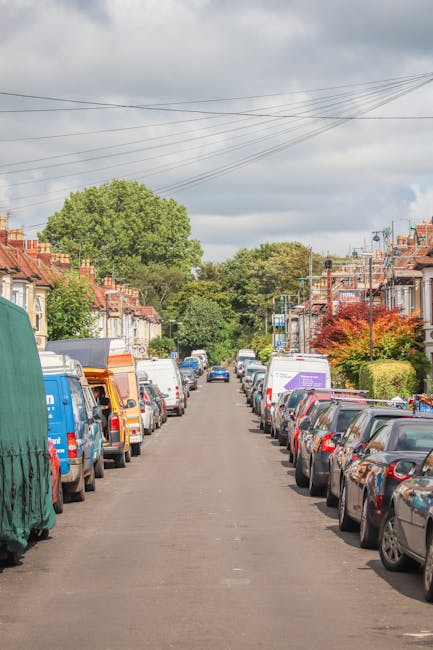
Avoiding blocked-street fines when unloading in SW2: a practical local guide
If you are trying to unload furniture, boxes, or awkward bits of household kit in SW2, the last thing you want is a knock on the window, a warning ticket on the windscreen, or a stressed neighbour asking whether the van is blocking their drive. Avoiding blocked-street fines when unloading in SW2 is not just about dodging a penalty; it is about keeping the move moving, staying respectful on a busy London street, and not turning a simple unloading job into a headache before the kettle has even been plugged in.
Truth be told, SW2 streets can be a bit unforgiving. Parked cars, narrow roads, school runs, bin collections, delivery vans, and the occasional tight corner all make timing and positioning matter. This guide walks you through what actually helps in real life: how unloading works, what to check before you stop, how to reduce the risk of fines, and what sensible planning looks like for flats, houses, and same-day moves alike.
For anyone planning a fuller move, it can also help to read about keeping the whole moving day calm and organised, along with practical packing advice from seamless packing tips for a big move.
Why avoiding blocked-street fines in SW2 matters
A blocked street fine sounds simple on paper, but the ripple effect can be messy. If your van is left in a way that obstructs traffic, access, pedestrians, or a loading restriction, you may lose time, money, and momentum. And in a move, momentum is everything. Once it slips, everything feels heavier. Boxes stay in the hallway. The sofa blocks the only clear route. Someone is holding a door open while someone else is looking for parking. It is not fun.
In SW2, the practical issue is that many roads are busy enough that even a short stop can cause friction if it is not done carefully. A quick unload near the kerb can be perfectly manageable in one street and a disaster in another. That is why the question is not only, "Can I stop here?" but also, "Can I stop here safely, legally, and without being in everyone's way?"
Fines are one concern. But so are delays, neighbour complaints, blocked access for other vehicles, and the stress of having to move the van mid-job. If you are already juggling stairs, lift access, or heavy furniture, the extra complication is rarely worth it. If that sounds familiar, the local guide on SW2 flat moves, stairs, lifts and size limits is a sensible companion read.
Practical takeaway: the cheapest unloading spot is not always the smartest one. In SW2, a few extra minutes of planning can save you a fine, a dispute, and a lot of awkward carrying back and forth.
How avoiding blocked-street fines when unloading in SW2 works
The basic idea is straightforward: you want to unload as close as possible to the property without causing an obstruction or breaking any parking or loading restriction that applies to that street. In practice, that means checking the local conditions before you arrive, choosing the right moment to stop, and keeping the unloading process tight and tidy.
Most problems happen in the grey areas. A driver thinks they are only stopping for five minutes. A loading bay looks free, but it is time-limited. Double yellow lines may allow loading in some situations, but not all. A narrow street may technically allow stopping, yet your van could still create a bottleneck. These are the sorts of details that get missed when people focus only on the destination and forget the street itself.
There is also a people factor. Streets in SW2 are not empty spaces; they are lived-in, shared routes. Residents need access. Delivery drivers need room to manoeuvre. Pedestrians, prams, cyclists, and emergency access all matter. So the safest approach is the one that respects both the rules and the flow of the street. That usually means quick unloading, clear positioning, and no lingering.
It is a bit like making tea before a meeting. If you do the small steps early, everything runs smoother. If you leave it until the last second, somehow the milk is missing and the lid is still on the van.
Key benefits and practical advantages
Done properly, a careful unloading plan gives you more than just legal peace of mind. It makes the whole move feel more under control.
- Less risk of penalties: you reduce the chance of a fine by avoiding obvious obstruction and respecting any local restrictions.
- Faster unloading: the van can get in, unload, and move on instead of sitting in a risky spot.
- Less physical strain: if you park sensibly near the entrance, nobody has to carry a wardrobe halfway down the road.
- Fewer conflicts: neighbours and other road users are less likely to be inconvenienced.
- Better moving-day rhythm: you keep the job flowing instead of stopping every few minutes to move the vehicle.
There is a quieter benefit too: confidence. Once the unloading plan is clear, people stop second-guessing themselves. That matters on moving day, because hesitation is often what makes a stressful situation worse. A calm driver and a prepared unloading team can do more in twenty minutes than a flustered group does in an hour.
If you are planning to combine unloading with decluttering or short-term storage, it helps to look at the bigger picture. The article on effective decluttering techniques is useful if you want fewer items in the van to begin with.
Who this is for and when it makes sense
This guide is for anyone unloading in SW2 where street space is tight, timing matters, or there is any risk of blocking traffic. That includes:
- families moving house in one load or several trips
- flat movers dealing with stairwells, lifts, and short loading windows
- students moving into or out of shared accommodation
- small business owners unloading stock, desks, or equipment
- people using a man and van for a single sofa, mattress, or appliance
- anyone doing a same-day or short-notice move
It also matters if you are unloading in a street where parking is already competitive. In those cases, even a short stop can become awkward very quickly. The closer you are to a boundary between legal unloading and obstruction, the more useful planning becomes. That is especially true if someone is assisting you and the handover needs to be quick.
For students and shorter moves, the logistics can feel deceptively simple. "It's only a few boxes," people say. Then there is a mattress, a desk, two suitcases, a lamp, and a plant that somehow weighs more than it looks. If that sounds familiar, you may find student removals in Tulse Hill a helpful place to start thinking about scale and timing.
Step-by-step guidance
1. Check the street before the van arrives
Look at the road itself. Is there space to stop without blocking a junction, a driveway, a crossing, or a busy flow of traffic? Are there signs showing restrictions or time limits? Is the street narrow enough that a parked van would force another vehicle to mount the kerb or reverse awkwardly? These are not theoretical questions. They are the little things that decide whether unloading is smooth or stressful.
2. Decide the best unloading window
Timing matters just as much as position. Early mornings can be quieter, but not always. School drop-off, lunchtime deliveries, and evening traffic can all make a street less forgiving. If you can choose your arrival time, pick the window with the least pressure on the road. Sometimes a ten-minute shift changes everything. Honestly, a move at 10:15 can be very different from one at 8:45.
3. Keep the unloading distance short and sensible
The best unloading plan is usually the one where items travel the shortest safe distance from van to door. That reduces carrying time, fatigue, and the temptation to leave the vehicle in place while everyone fetches one more thing. Use a trolley if the route allows. Stack items in the order they will come out. Keep heavier items near the rear or the easiest access point.
4. Assign roles before the doors open
One person should manage the van or watch traffic. Another can guide items inside. Someone else can stack boxes in the right room. When roles are clear, the unloading job becomes a coordinated routine instead of a free-for-all. It sounds obvious, but on moving day obvious things are often the first to disappear.
5. Move fast, then move the van
If the unloading spot is limited, keep the stop brief and purposeful. Get the key items inside, clear the vehicle, and move the van if needed. That is especially useful where a street may tolerate a short load but not a long one. It is better to do two tidy trips than one slow, risky stop that draws attention.
6. Watch for the "last item" trap
This one catches people out. The van is almost empty, everyone relaxes, and then the final awkward item gets left halfway on the pavement while someone searches for room inside. Keep the same discipline right to the end. The last few minutes are often where complaints happen.
Expert tips for better results
There are a few habits that make a big difference and are easy to overlook when you are rushing.
Use a pre-unload staging point. If space indoors is limited, set up a small landing zone just inside the property. That way boxes can be passed in and sorted without creating a doorway bottleneck. It also helps if the front room is tight or stairs are involved.
Keep your van keys and parking plan in the same person's hands. Too many moving parts cause delays. If the driver knows exactly where the vehicle can wait and how long the stop will last, everyone else can focus on unloading.
Break the load into priority tiers. Essentials first, fragile items second, everything else after. This avoids having to leave the van open for ages while someone hunts for cutlery, chargers, or bedding.
Protect the route inside the property. Wet weather, scuffed thresholds, and narrow halls can slow the process. A towel, blanket, or floor covering can save time later. Small thing, big difference.
Use the right lifting technique. If you are moving heavier objects, care matters. The guide on safe lifting mechanics is worth a look if you want a simple explanation of moving more efficiently without overdoing it.
Keep communication short and clear. "Boxes in first, sofa last" is easier to follow than a long plan shouted across the pavement. Moving day does not need a committee meeting.
Common mistakes to avoid
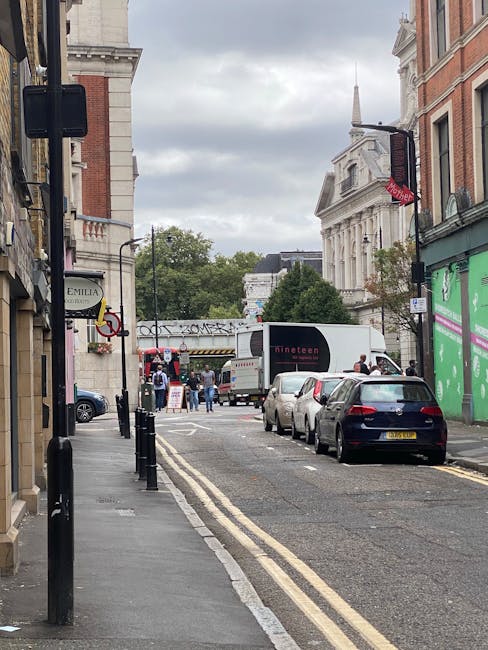
Most blocked-street problems are not caused by reckless behaviour. They happen because someone assumes a quick stop is harmless. Here are the usual traps.
- Stopping where the van clearly obstructs traffic: even if the unloading is fast, a blocked lane or blind corner can create a problem instantly.
- Ignoring street signs: a sign only needs to be missed once to become expensive.
- Assuming loading is always allowed: it often depends on time, duration, and road markings.
- Leaving the van unattended for too long: if the unloading is drawing out, move the vehicle or change the plan.
- Underestimating the amount of stuff: the "it'll only take ten minutes" approach is famous for being wrong.
- Not checking the space for turning or reversing: some streets become awkward the moment another vehicle appears behind you.
There is also the emotional mistake of trying to push through just because the day has already started. That feeling is understandable. But if the first parking choice is poor, it is often cheaper to adjust early than to stick with a bad spot and hope nobody notices. Hope is not a parking strategy.
Tools, resources and recommendations
You do not need a truckload of specialist kit, but a few practical tools make unloading much safer and quicker:
- Furniture trolley or sack truck: useful for heavier boxes, small appliances, and tight entrances.
- Blankets and straps: good for protecting furniture and keeping items stable during short holds.
- Box labels: help the team place items in the right room without extra backtracking.
- Phone notes or a printed load plan: simple, but very handy when everyone is tired.
- Head torches or portable lighting: useful if you are unloading later in the day or in a dim entrance.
For a stronger wider move plan, the company's services overview can help you understand what kinds of support are available, while removals in Tulse Hill gives a more general picture of moving help if you are coordinating the whole job rather than just unloading.
If you need a vehicle that matches the size of your load, the pages for man with a van in Tulse Hill and removal van hire in Tulse Hill are useful reference points. And if the move has become urgent, the guide to same-day moves in Tulse Hill is especially relevant.
Law, compliance, standards and best practice
This is one of those topics where careful wording matters. Parking and loading rules can vary by road, by time of day, and by local enforcement practice. Rather than guessing, the safest approach is to treat visible signs, road markings, and access needs as the deciding factors. If a street appears restricted, or if stopping there would clearly obstruct other road users, it is wise to choose another option.
In practical terms, best practice means:
- following the posted parking and loading signs on the street
- keeping unloading time as short as possible
- not blocking dropped kerbs, junctions, crossings, or driveways
- leaving a safe route for pedestrians and other vehicles
- making sure the vehicle can move away promptly if needed
Where the rules are unclear, do not rely on guesswork from the van seat. A cautious approach is usually the better one. This is especially true in London, where streets are busy and enforcement can be active. The practical standard is simple enough: if your unload creates a hazard or a blockage, it is not a good stop.
For move-related safety and service expectations, it can also help to review health and safety information and insurance and safety guidance before move day. Those pages are not about parking specifically, but they are part of the wider trust picture when you are choosing how to move goods safely.
Options, methods, or comparison table
Not every unloading situation in SW2 needs the same approach. The right method depends on the street, the size of the van, and how much you are carrying.
| Method | Best for | Main advantage | Risk or limitation |
|---|---|---|---|
| Quick kerbside unload | Small loads, very short stops | Fast and simple | Can be risky if the street is tight or busy |
| Pre-planned loading spot | Medium moves, flats, timed access | More controlled and predictable | Requires more checking beforehand |
| Two-person shuttle from van to property | Furniture, boxes, mixed loads | Reduces time the van stays in place | Needs good coordination |
| Staggered unloading with van repositioning | Heavier or larger moves | Lower obstruction risk overall | Can take longer, so planning matters |
In our experience, the best choice is often not the one that looks quickest at first glance. It is the one that keeps the vehicle moving, keeps the team safe, and keeps the street free. Simple as that.
Case study or real-world example
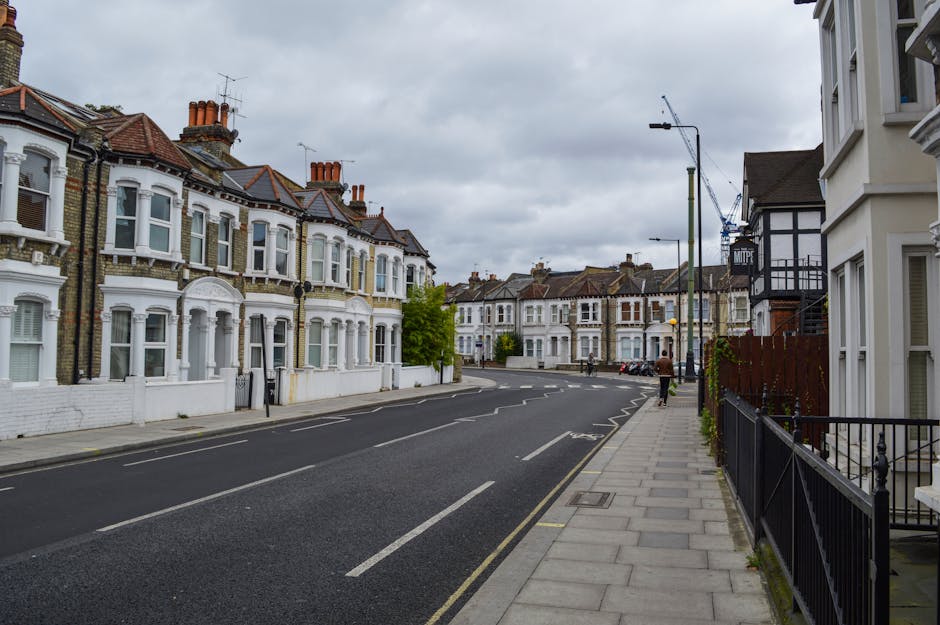
Imagine a typical SW2 flat move on a weekday morning. The van arrives just after the school-run traffic has started to thin, but there are still parked cars on both sides of the road. The team has a sofa, a mattress, several boxes, and a few bags of kitchen items. At first, the driver considers stopping directly outside the building. It would save a minute or two.
Instead, the team checks the street, notices that the narrow section near the corner would make the van sit awkwardly, and chooses a slightly better stopping point a short distance away. Not perfect, not glamorous, but workable. They unload the essentials first, move the van after a few minutes, and carry the bulk items in two careful rounds. No one is blocked in, no one is honking, and no one has to argue over the pavement.
It is a small example, but a realistic one. The difference is not luck. It is preparation. And yes, the slightly longer walk with the boxes was annoying. Nobody pretended otherwise. But annoying is better than a fine, and much better than dragging a wardrobe through an argument with the street behind you.
If a move includes a bed or mattress, the details can get fiddly fast. The guide on moving a bed and mattress is a useful companion when you need to keep bulky items under control.
Practical checklist
Use this before the van door opens.
- Check street signs and road markings carefully.
- Confirm the unloading spot will not block traffic, driveways, or crossings.
- Choose a time with lighter street pressure if possible.
- Decide who will guide items, who will carry, and who will manage the van.
- Stage heavy and essential items so they come out first.
- Keep trolleys, straps, blankets, and labels close at hand.
- Make sure the van can be moved quickly if needed.
- Keep the unloading route inside the property clear.
- Watch the final items carefully; do not drift at the end.
- If in doubt, choose a safer stop rather than a tighter one.
If you are trying to cut down on what needs unloading in the first place, a little prep goes a long way. A small declutter before moving day can reduce risk, reduce time on the street, and make the whole thing feel far less chaotic. Not fancy. Just effective.
Conclusion
Avoiding blocked-street fines when unloading in SW2 comes down to one simple habit: treat the street as part of the moving plan, not a background detail. When you check the space, keep the stop short, stay aware of the road around you, and unload with a bit of structure, you dramatically reduce the risk of tickets, complaints, and wasted time.
The best moves are not always the flashiest ones. They are the ones that feel steady, even when the street is busy and the boxes are awkward. A good plan, a calm pace, and a clear unloading strategy can make the whole day feel manageable. And that, to be fair, is worth a lot.
If you want more support for a smoother move, explore the wider moving guides and service information available on the site, including practical help with packing, heavy items, and local removals. It is always easier when the basics are sorted early.
Get a free quote today and see how much you can save.